Laser Cataract Treatment in Mumbai
Restore your vision with advanced laser cataract (Motiyabind) treatment through Healthbridge Network — your trusted partner for quality eye care in Mumbai. We connect you with experienced ophthalmologists and reputed eye hospitals that use modern laser-assisted techniques to ensure safe and precise procedures.
Healthbridge Network supports your care from start to finish, simplifying your treatment journey and ensuring you receive expert guidance, access to skilled specialists, and timely care tailored to your needs.
0 +
Hospital Network
0 +
Doctors
0 +
No. of Beds
0 +
Patient Treated
What is Cataract?
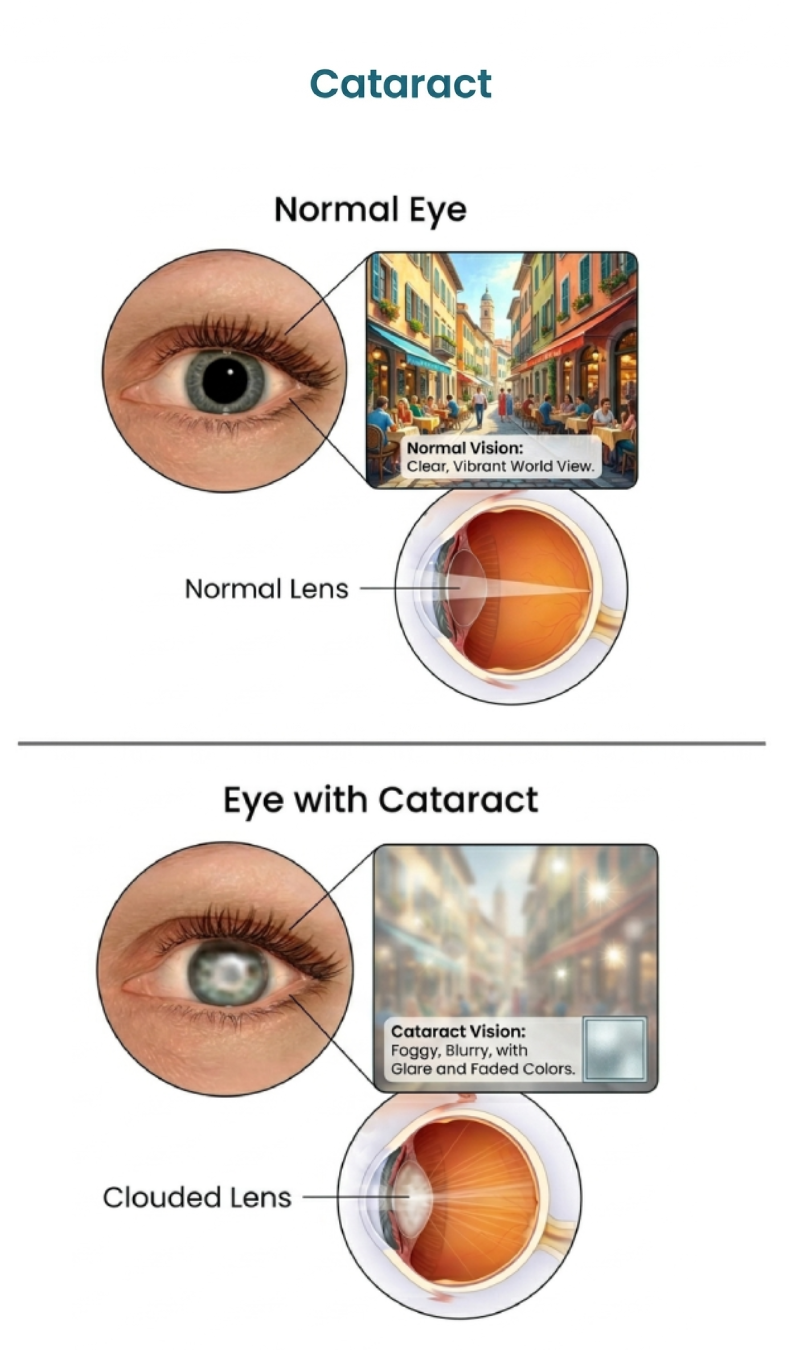
A cataract is a common eye condition where the natural lens of the eye becomes cloudy, resulting in blurred or unclear vision. It usually develops gradually and is one of the leading causes of vision impairment, especially among older individuals.
Several factors contribute to cataract formation, including ageing, diabetes, prolonged exposure to sunlight, eye injuries, and certain health conditions. While the progression is typically slow, early detection and appropriate treatment can significantly improve vision and overall quality of life.
Cataract Symptoms
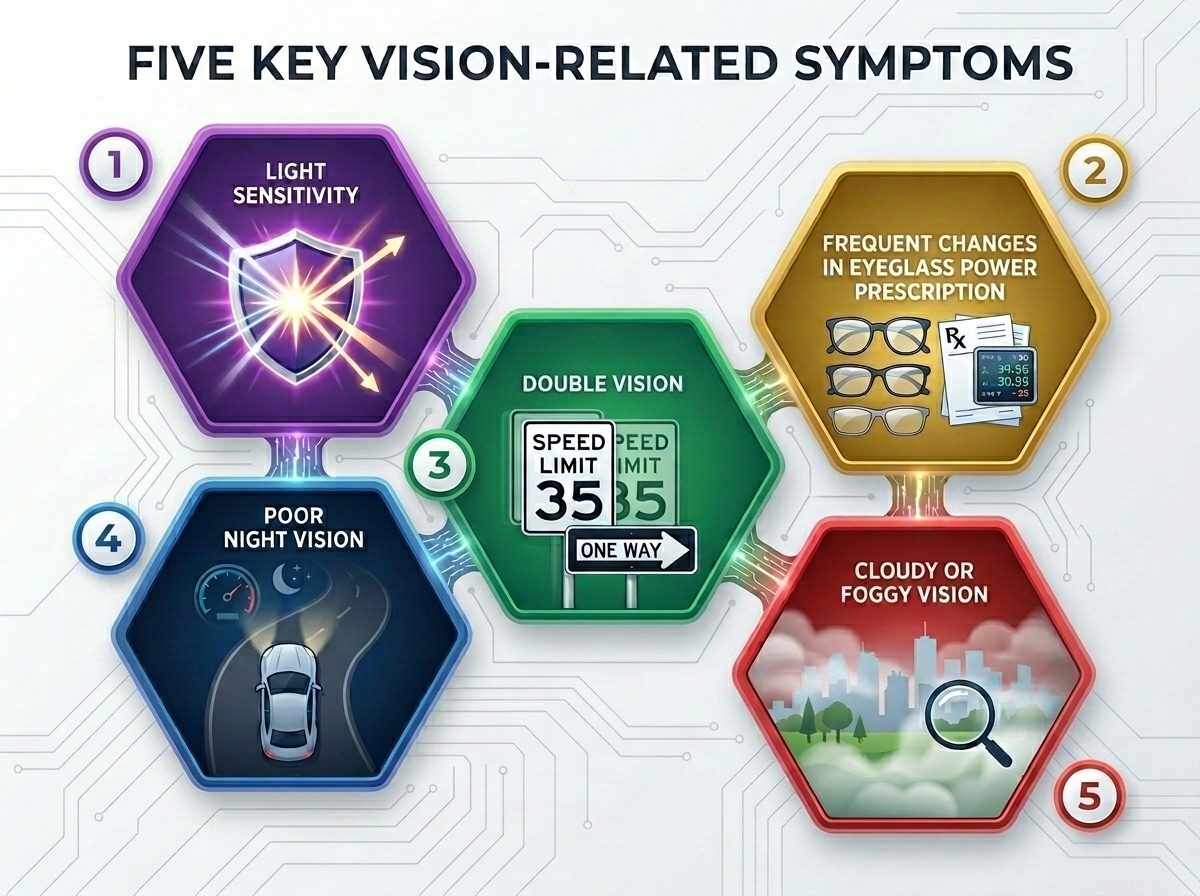
When Should You Consider Treatment?
Cataract treatment becomes necessary when it starts interfering with your daily routine, such as:
Reading & Digital Use
Difficulty reading books, newspapers, or using digital screens like smartphones and laptops.
Safe Night Driving
Challenges while driving, especially at night, due to glare from headlights and poor visibility.
Social Interaction
Trouble recognising faces of loved ones or watching television clearly from a distance.
How Cataract Surgery Works
Cataract surgery is a widely performed and effective procedure that involves removing the cloudy natural lens and replacing it with a clear artificial intraocular lens (IOL).
Quick & Comfortable Procedure
The entire procedure is remarkably fast, typically taking less than 20 minutes per eye. It's performed under local anesthesia, ensuring you remain comfortable throughout the process.
Hassle-Free Daycare Experience
As a daycare procedure, you can return home the same day. There's no need for a hospital stay, allowing you to recover in the comfort of your own home with minimal disruption.
Precision with Advanced Laser
We use advanced laser-assisted techniques that provide unmatched precision. This technology allows for smaller incisions, faster healing, and more predictable visual outcomes.
Is Cataract Surgery Safe?
Cataract surgery is considered one of the safest surgical procedures.
Safty Benchmark
98%
Success rate, making it one of the safest procedures in modern medicine.
High success rate
Minimal risk when performed by experienced surgeons
Noticeable improvement in vision shortly after surgery
Recovery & What to Expect After Surgery
Recovery after cataract surgery is generally quick and uncomplicated.
Same Day Home
Most patients return home the same day
Quick Improvement
Vision begins to improve within a few days
Full Healing
Complete healing may take a few weeks
Precautions to follow:
Avoid touching or rubbing your eyes
This is crucial to prevent bacteria from entering the eye and to avoid any accidental displacement of the newly implanted lens.
Use prescribed eye drops as directed
These drops are essential for controlling inflammation, preventing infection, and ensuring optimal healing of the surgical site.
Limit strenuous physical activities initially
Avoiding heavy lifting or intense exercise helps maintain stable eye pressure during the critical first few days of recovery.
Following your doctor’s advice ensures faster healing and optimal visual outcomes.
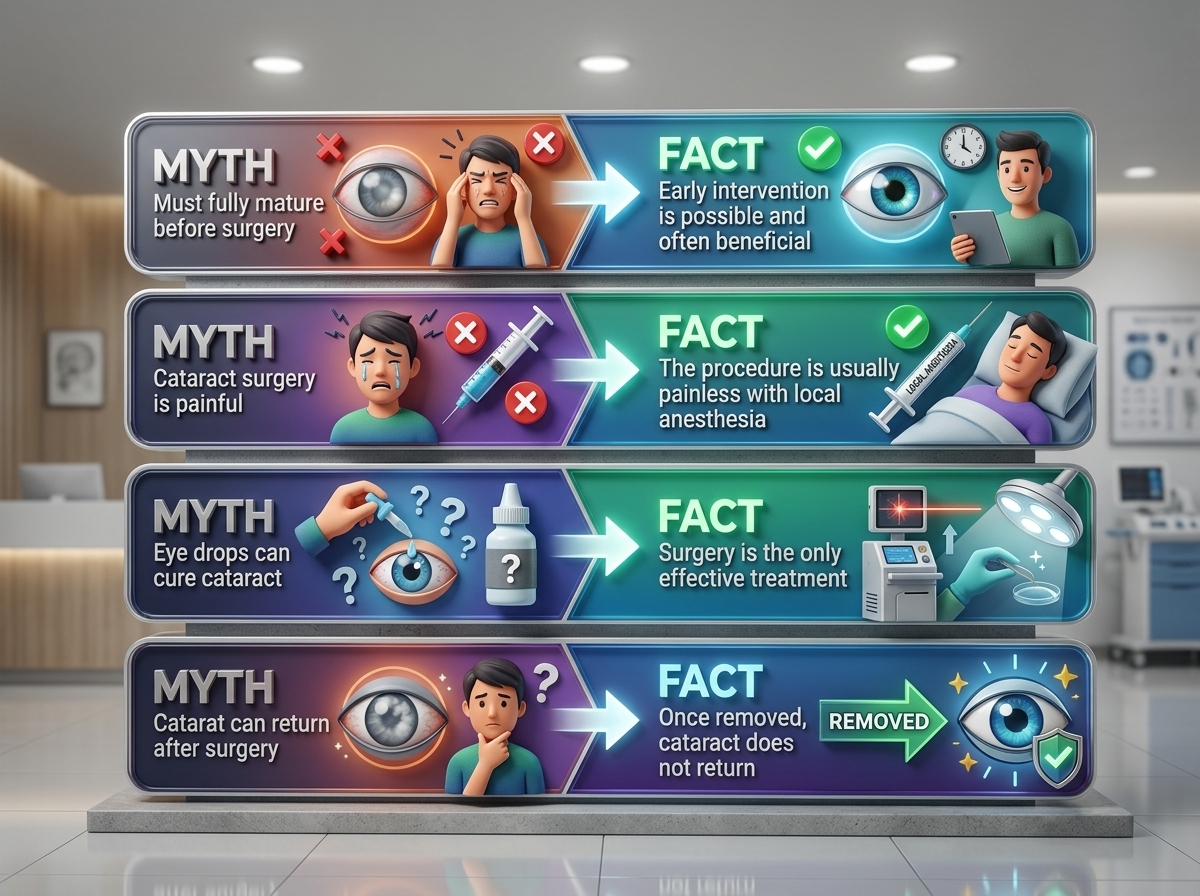
Common Myths & Facts About Cataract
How Healthbridge Network Supports Your Journey
Healthbridge Network ensures a smooth and stress-free reatment experience by offering:
Personalised guidance based on your condition
Access to experienced ophthalmologists
Assistance in understanding suitable treatment options
End-to-end support from consultation to recovery
We are dedicated to helping you make well-informed decisions with clarity and confidence.
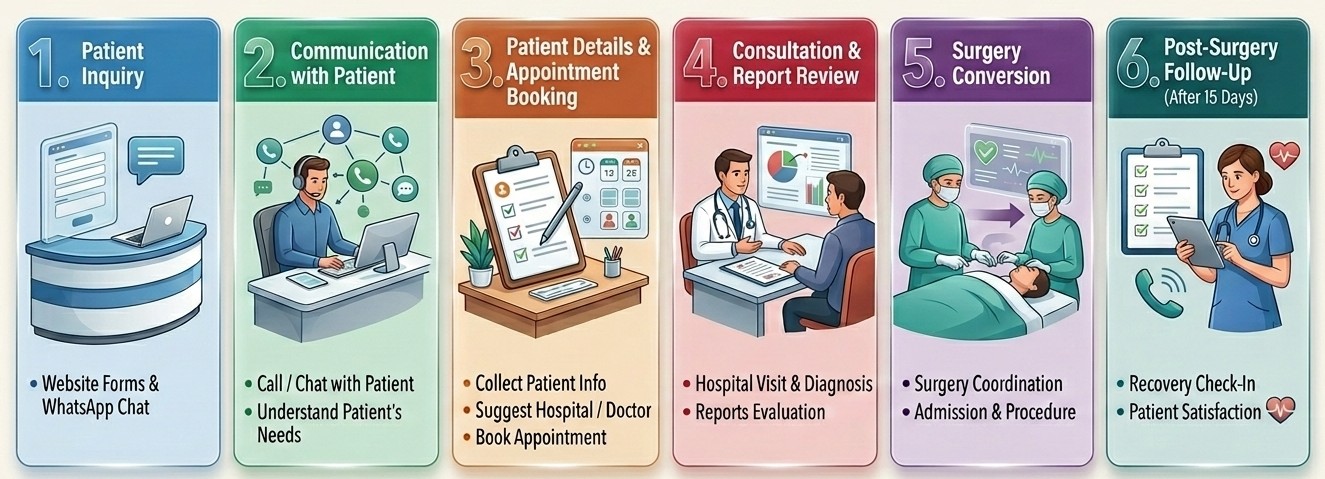
Healthbridge Network : Health Guide Process
Frequently Asked Questions
Yes, they can develop earlier due to genetic factors, trauma, or underlying health conditions.
No, surgery is the only effective treatment option.
It can lead to significant vision impairment, affecting daily activities.
Initial recovery occurs within a few days, while full healing may take a few weeks.
Usually, one eye is treated at a time, with a short gap between surgeries as advised by the doctor.
It depends on the type of lens used and your individual vision needs. While cataract surgery can significantly reduce dependence on glasses, some people may still need them for activities like reading or night driving. Advanced intraocular lenses (IOLs) can minimise this need, but complete freedom from glasses is not guaranteed in every case.
Cataract surgery is considered successful when you experience clear vision improvement and can resume daily activities without major visual difficulties.
Patient Success Stories
"The Personalized care and follow-up support were exceptional. I felt supported throughout my entire recovery journey."

Rajesh Kulkarni
62 Years
Take the First Step Towards Clear Vision
Do not ignore early warning signs. Timely consultation can make your treatment more effective and hassle-free. Whether you are exploring treatment options or seeking clarity on cataract surgery costs, Healthbridge Network is here to guide you every step of the way.

Book An Appointment
Our Specialists will call you back within 24 hours.

Thank you for reaching out!
We will get back to you soon.